

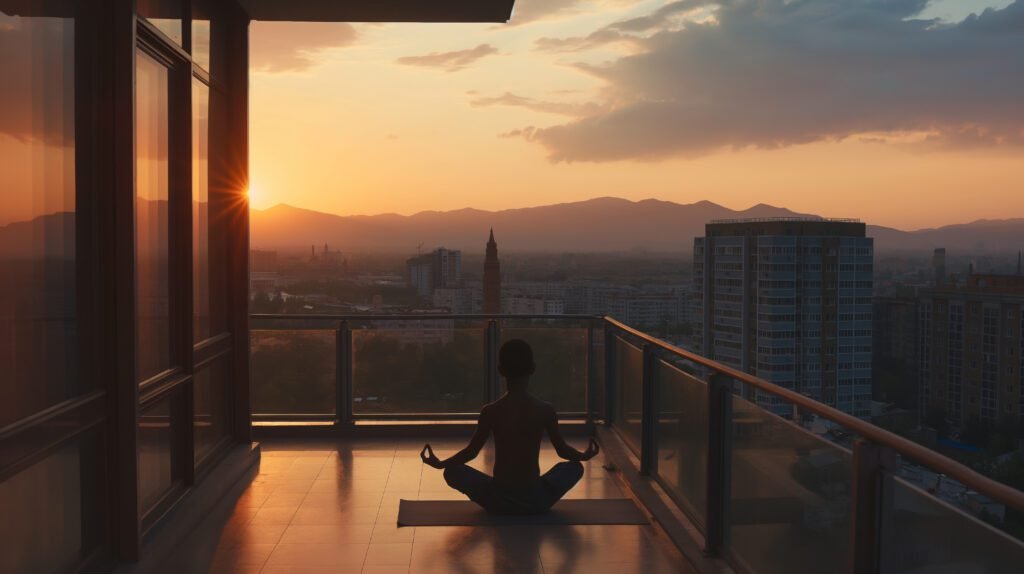
Sleep & Mental Health in Urban UAE Life: The Overlooked Connection
Reading time: 12–14 minutes • Updated: 5 Oct 2025
In the UAE, late-night work emails, round-the-clock business cycles, and bright cityscapes often blur the line between day and night. Many residents admit they sleep less than 6 hours a night, far below the recommended 7–9 hours. While short-term sleep loss feels manageable, research shows chronic poor sleep raises risks for anxiety, depression, burnout, and reduced performance. This guide explores the link between sleep and mental health, why insomnia is so common in Dubai, and how evidence-based therapies like CBT-I can reset your nights—and your wellbeing.
1) Why Sleep Matters for Mental Health
Sleep is not simply “rest.” It is an active biological process that restores brain chemistry, consolidates memory, and regulates mood. Studies show:
- People sleeping less than 6 hours are 2–3 times more likely to develop anxiety or depression.
- Insufficient sleep raises stress hormone levels (cortisol), making daily challenges harder to manage.
- Poor sleep impairs decision-making, attention, and impulse control, fueling workplace errors.
In urban UAE life, where performance pressure is high, protecting sleep is protecting mental health.
Source: Sleep Foundation · WHO Mental Health.
2) Why Sleep Problems Are Common in Dubai & the UAE
Several factors make insomnia particularly common in the UAE:
24/7 Business Culture
Global teams and cross-time zone coordination keep many professionals online late at night.
Bright Urban Environments
Dubai’s illuminated skyline and screen-heavy lifestyles disrupt melatonin production, the hormone that signals sleep.
Expat Stress
Relocation, financial pressure, and lack of extended family support contribute to racing thoughts at bedtime.
Climate & Lifestyle
High evening temperatures often push outdoor activities and socialising late into the night.
3) The Insomnia Loop Explained
Insomnia often begins after a stressful event (e.g., exams, deadlines, illness). When sleep doesn’t return to normal, anxiety about sleep itself becomes the problem. This cycle looks like:
- One or two bad nights → worry builds
- Earlier bedtime or napping → disrupts sleep drive
- Clock-watching in bed → reinforces arousal
- More poor nights → more stress → loop continues
This is why insomnia often persists long after the original stressor fades.
4) The Science of Sleep & Mood
Sleep cycles (REM and non-REM) restore emotional balance. REM sleep, in particular, processes emotional memories. Without it, people are more reactive, less resilient, and prone to anxiety and depression.
Brain imaging studies show that after sleep deprivation, the amygdala (fear centre) becomes 60% more reactive. This helps explain why small stressors feel overwhelming after a poor night.
5) CBT-I: Gold-Standard Therapy for Insomnia
Cognitive Behavioural Therapy for Insomnia (CBT-I) is the first-line, non-medication treatment recommended worldwide. At Ellusho Life, CBT-I typically involves:
- Sleep diary: Tracking bedtime, wake time, and habits.
- Stimulus control: Only using bed for sleep; leaving the bed if awake >20 minutes.
- Sleep scheduling: Matching time in bed to actual sleep, then gradually extending.
- Cognitive restructuring: Challenging catastrophic thoughts like “I’ll never function tomorrow.”
- Relaxation training: Breathing, mindfulness, or progressive muscle relaxation.
Most clients see improvements within 4–6 sessions.
6) Daily Habits for Better Sleep in Dubai
- Limit stimulants: Avoid caffeine or energy drinks after 2 pm.
- Light exposure: Get bright light in the morning; reduce blue light at night with warm display modes.
- Bedroom environment: Keep rooms cool and dark; consider blackout curtains.
- Screen discipline: Avoid doomscrolling; set a “digital sunset” at least 1 hour before bed.
- Consistent schedule: Maintain regular wake times, even on weekends.
- Exercise: Moderate activity during the day improves sleep drive.
7) Cultural & Lifestyle Factors (Ramadan, Shift Work)
In Dubai, cultural and occupational rhythms shape sleep:
Ramadan
Altered eating and prayer times may shift circadian rhythms. We help clients adapt sleep windows and light exposure during Ramadan.
Shift Work
Nurses, pilots, and hospitality workers face irregular schedules. CBT-I can be tailored with strategic naps, blackout environments, and meal timing advice.
8) When to Seek Professional Help
See a sleep-focused therapist if:
- Insomnia lasts 2+ weeks despite healthy habits
- Fatigue affects work, driving, or relationships
- Sleep problems are linked to anxiety, depression, or burnout
- Medication hasn’t helped or caused side effects
9) How Ellusho Life Supports Better Sleep
At Ellusho Life, we integrate sleep therapy into our broader mental health services:
- CBT-I programs tailored for expats, executives, and families
- Support for children and teens with school-related sleep issues
- Teletherapy for frequent travelers
- Stress and anxiety counseling to address root causes
We aim not only to restore sleep but also to improve focus, energy, and overall wellbeing.
FAQs
Is medication necessary for insomnia?
Not usually. CBT-I is equally or more effective than sleep medication, without side effects.
Can poor sleep cause anxiety?
Yes. Lack of sleep heightens stress hormones and reactivity, which can trigger or worsen anxiety.
What’s a good bedtime in Dubai?
It varies, but aiming for 10–11 pm with a consistent wake-up time improves stability.
How long until CBT-I works?
Most people notice progress within 4–6 weeks.
Do you treat children with sleep problems?
Yes. We work with children and teens on routines, screen-time balance, and nighttime anxiety.
Can you adapt therapy for shift work or Ramadan?
Yes. We customise plans to cultural and occupational demands common in the UAE.
